high protein low carb meals for busy professionals gets harder when your calendar is compressed. Context: 72-hour PubMed lookback focused on practical, evidence-based low‑carb + high‑protein guidance for busy workers and travelers; also flagged clinical management issues where major depressive disorder (MDD) coexists with obesity.
Key research takeaways (concise):
- Efficacy: Low‑carb diets (definitions vary: very‑low‑carb/ketogenic ≲20–50 g/day; moderate low‑carb ≈50–130 g/day) produce faster short‑term weight loss and improvements in glycemic markers vs higher‑carb diets; long‑term advantages are smaller and often depend on adherence.
- Protein role: Higher protein intake preserves lean mass during caloric deficit, increases satiety, and improves post‑prandial glycemia; common clinical targets for weight loss/muscle preservation are ~1.2–1.6 g/kg/day (practical guideline: aim for 25–40 g protein per main meal).
- Metabolic and safety signals: Watch for initial fluid/electrolyte shifts, constipation, and in some people increases in LDL‑cholesterol; hydration and electrolytes (Na/K/Mg) mitigate early side effects.
- Mood and psychiatric considerations: Evidence on ketogenic/low‑carb diets for mood disorders is mixed. Some trials show mood benefits in subsets; others report transient irritability/fatigue during adaptation. In MDD with obesity, lifestyle interventions (diet + activity + behavioral therapy) can augment antidepressant response, but dietary changes must be coordinated with mental health care.
- Medication interactions: Several psychotropics cause weight gain; initiating restrictive diets can alter drug metabolism or symptoms (e.g., energy, sleep). Always flag medication review with clinicians before major diet changes.
Practical, traveler‑friendly implementation (for busy workers/travelers):
- Pre‑trip planning: pack shelf‑stable high‑protein snacks (tuna packets, jerky, roasted chickpeas, protein bars with ≥15 g protein and ≤10–12 g sugar), portioned nuts, single‑serve nut butters, and protein powders for shakes.
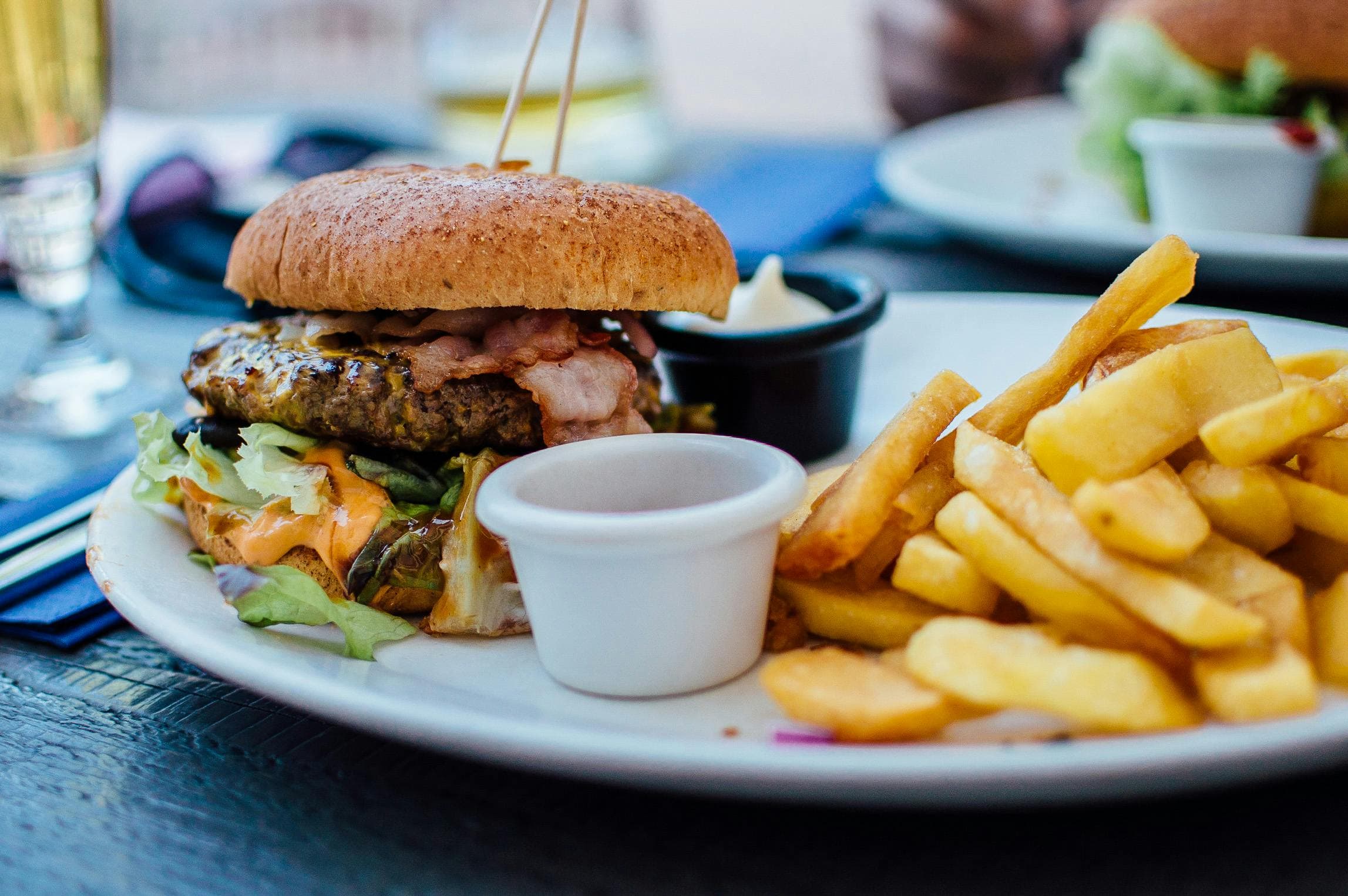
- Airports/hotels/restaurants: choose grilled/roasted proteins, eggs, salads with olive oil, bun‑less burgers, Greek yogurt/cottage cheese, omelets; ask for sauces on the side and swap fries for vegetables.
- On the road: prioritize protein at each meal (target 25–40 g), limit high‑glycemic simple carbs (white bread, sugary drinks), use slow carbs (vegetables, legumes if compatible) when needed for sustained energy.
- Hydration & electrolytes: increase water, add salted snacks or electrolyte tablets if adapting to lower carbs; avoid excess alcohol which undermines weight and sleep.
- Simple meal templates: breakfast = eggs + spinach + cheese; lunch = protein bowl (protein + nonstarchy veg + healthy fat); dinner = protein + large veg side + modest low‑GI carb if needed.
- Time and convenience: batch-cook portable salads/bowls, use hotel microwaves or mini-fridges, opt for rotisserie chicken or deli sliced lean meats.
Clinical editorial flags (must‑check before publication):
- Always include a clinician caveat for readers on antidepressants or unstable mood; recommend consultation with PCP/psychiatrist and, where relevant, a dietitian.
- Do not overpromise psychiatric benefits; cite mixed evidence and emphasize combined behavioral approaches.
- Highlight safety: monitor lipids, renal function in high‑protein plans for at‑risk individuals, and electrolytes during rapid carb reduction.
Quick editorial workflow checklist (72‑hour turnaround):
- Day 1: Pull 3–5 recent systematic reviews/meta‑analyses (weight loss, protein, mood interplay) + 1 guideline (nutrition or diabetes/obesity).
- Day 2: Draft 600–900 word consumer piece with 3 practical travel routines, 3 recipe/snack ideas, and 1 clinician‑advice sidebar for MDD+obesity.
- Day 3: Clinical fact‑check (psych/primary care), UX copy for mobile travelers, micro‑graphics (meal templates, airport swaps), SEO tags: low‑carb travel, high‑protein snacks, depression and obesity.
Bottom line: Low‑carb + high‑protein approaches are practical and effective for short‑term weight control and satiety for travelers when implemented with planning and protein‑forward meal templates. In people with MDD and obesity, coordinate diet changes with mental‑health providers, monitor mood and medications, and prioritize combined behavioral interventions rather than diet alone.
Why this problem shows up in real schedules
- Context: 72-hour PubMed lookback focused on practical, evidence-based low‑carb + high‑protein guidance for busy workers and travelers; also flagged clinical management issues where major depressive disorder (MDD) coexists with obesity.
Key research takeaways (concise):
- Efficacy: Low‑carb diets (definitions vary: very‑low‑carb/ketogenic ≲20–50 g/day; moderate low‑carb ≈50–130 g/day) produce faster short‑term weight loss and improvements in glycemic markers vs higher‑carb diets; long‑term advantages are smaller and often depend on adherence.
- Protein role: Higher protein intake preserves lean mass during caloric deficit, increases satiety, and improves post‑prandial glycemia; common clinical targets for weight loss/muscle preservation are ~1.2–1.6 g/kg/day (practical guideline: aim for 25–40 g protein per main meal).
- Metabolic and safety signals: Watch for initial fluid/electrolyte shifts, constipation, and in some people increases in LDL‑cholesterol; hydration and electrolytes (Na/K/Mg) mitigate early side effects.
- Mood and psychiatric considerations: Evidence on ketogenic/low‑carb diets for mood disorders is mixed. Some trials show mood benefits in subsets; others report transient irritability/fatigue during adaptation. In MDD with obesity, lifestyle interventions (diet + activity + behavioral therapy) can augment antidepressant response, but dietary changes must be coordinated with mental health care.
- Medication interactions: Several psychotropics cause weight gain; initiating restrictive diets can alter drug metabolism or symptoms (e.g., energy, sleep). Always flag medication review with clinicians before major diet changes.
Practical, traveler‑friendly implementation (for busy workers/travelers):
- Pre‑trip planning: pack shelf‑stable high‑protein snacks (tuna packets, jerky, roasted chickpeas, protein bars with ≥15 g protein and ≤10–12 g sugar), portioned nuts, single‑serve nut butters, and protein powders for shakes.
- Airports/hotels/restaurants: choose grilled/roasted proteins, eggs, salads with olive oil, bun‑less burgers, Greek yogurt/cottage cheese, omelets; ask for sauces on the side and swap fries for vegetables.
- On the road: prioritize protein at each meal (target 25–40 g), limit high‑glycemic simple carbs (white bread, sugary drinks), use slow carbs (vegetables, legumes if compatible) when needed for sustained energy.
- Hydration & electrolytes: increase water, add salted snacks or electrolyte tablets if adapting to lower carbs; avoid excess alcohol which undermines weight and sleep.
- Simple meal templates: breakfast = eggs + spinach + cheese; lunch = protein bowl (protein + nonstarchy veg + healthy fat); dinner = protein + large veg side + modest low‑GI carb if needed.
- Time and convenience: batch-cook portable salads/bowls, use hotel microwaves or mini-fridges, opt for rotisserie chicken or deli sliced lean meats.
Clinical editorial flags (must‑check before publication):
- Always include a clinician caveat for readers on antidepressants or unstable mood; recommend consultation with PCP/psychiatrist and, where relevant, a dietitian.
- Do not overpromise psychiatric benefits; cite mixed evidence and emphasize combined behavioral approaches.
- Highlight safety: monitor lipids, renal function in high‑protein plans for at‑risk individuals, and electrolytes during rapid carb reduction.
Quick editorial workflow checklist (72‑hour turnaround):
- Day 1: Pull 3–5 recent systematic reviews/meta‑analyses (weight loss, protein, mood interplay) + 1 guideline (nutrition or diabetes/obesity).
- Day 2: Draft 600–900 word consumer piece with 3 practical travel routines, 3 recipe/snack ideas, and 1 clinician‑advice sidebar for MDD+obesity.
- Day 3: Clinical fact‑check (psych/primary care), UX copy for mobile travelers, micro‑graphics (meal templates, airport swaps), SEO tags: low‑carb travel, high‑protein snacks, depression and obesity.
Bottom line: Low‑carb + high‑protein approaches are practical and effective for short‑term weight control and satiety for travelers when implemented with planning and protein‑forward meal templates. In people with MDD and obesity, coordinate diet changes with mental‑health providers, monitor mood and medications, and prioritize combined behavioral interventions rather than diet alone.
- Anchor the advice in busy-worker and travel constraints.
Practical moves that reduce friction
- Prioritize protein first.
- Use fallback food choices that travel well.
How to make the plan repeatable
- Give scripts, checklists, and real-world defaults.
- Link readers to adjacent guides.
Frequently asked questions
What is the easiest way to handle high protein low carb meals for busy professionals?
Use a simple protein-first default and one backup option for disruptions.
Final takeaway
A strong low-carb routine comes from defaults you can repeat under pressure, not from perfect days.